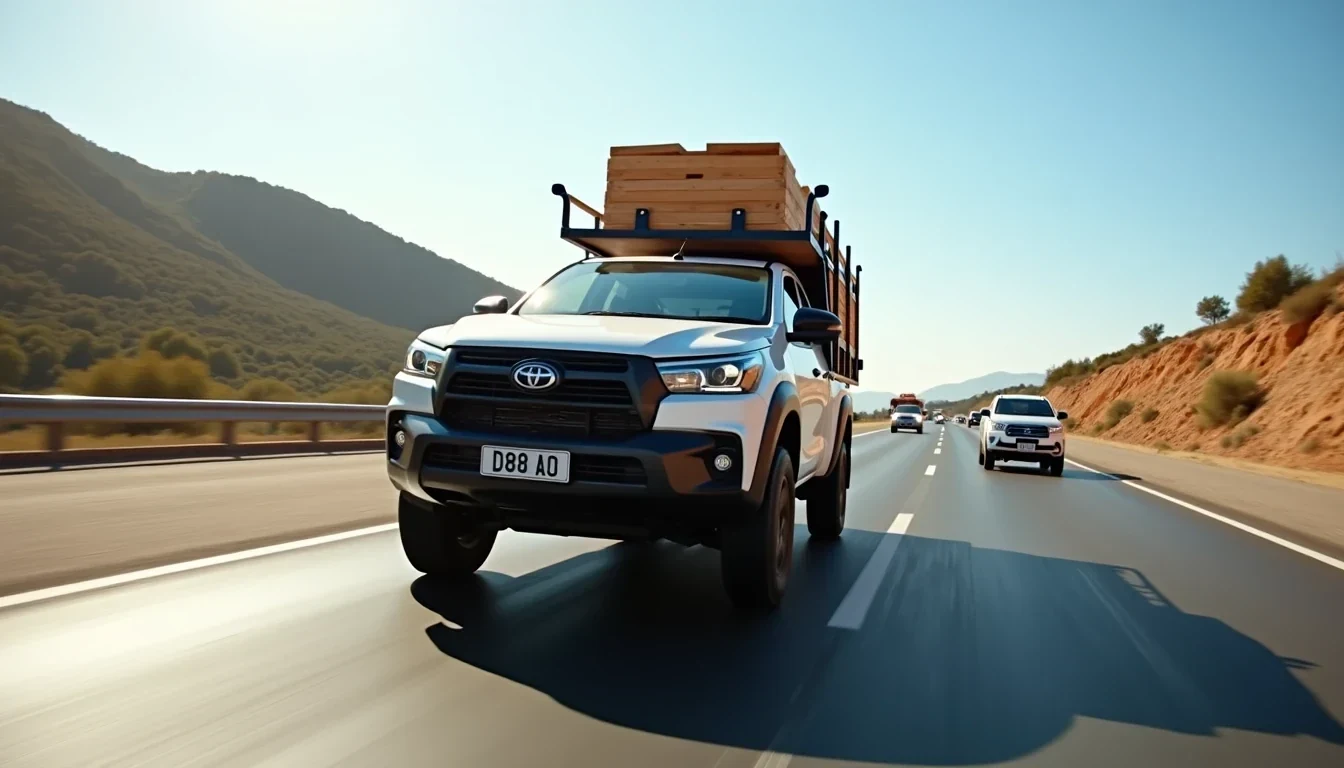
BYD has done the obvious and the silly simultaneously. It built a bakkie with 350kW, 700Nm, a claimed 5.5-second sprint to 100km/h, and enough electric range for many people to do school, office, and grocery runs without burning petrol. This combination should not make sense in a one-tonne workhorse, but on paper, it does.
The Shark 6 Performance lands with enough force to make every familiar diesel double-cab look a bit old. At R1,149,000, it is not cheap, nor is it trying to be sensible in the usual bakkie way. It aims at buyers who want a load bed, tow rating, and off-road ability, but would also like a fast SUV disguised as something that can strap a trailer.
The fastest bakkie in the room
The headline figure is not subtle. The 2.0-litre turbo petrol engine and twin electric motors combine for 350kW and 700Nm, making the Shark 6 Performance the most powerful bakkie available locally right now. This matters less as a pub fact than in how the vehicle moves.
The first thing you notice is the response. There is no diesel hesitation, no waiting for boost to build, no sense that the drivetrain is waking up to the idea of going quickly. The electric motors fill in instantly, so the Shark 6 Performance pulls away with an immediacy most bakkies simply do not have. When everything works together, this heavy-looking dual-cab reaches 100km/h in 5.5 seconds. That number is usually reserved for hot hatches and expensive performance SUVs, not vehicles designed to carry building supplies.
The speed is not just for bragging rights; it changes how the bakkie feels in traffic and on the open road. Overtaking becomes a short, decisive movement rather than a gear-change drama. Merging onto a freeway is almost lazy. Power arrives so readily that you stop thinking about the powertrain and start thinking about the next gap in front of you.
Electric running changes the daily script
The Shark 6 Performance can cover up to 80km on electricity alone. For many commuters, that is the entire weekday routine. Charge it overnight at home, leave the petrol engine out of the picture, and the bakkie becomes a quiet EV for the commute while still carrying the safety net of a hybrid.
This has obvious appeal in a market where fuel prices punish anything with a heavy right foot. A plug-in hybrid bakkie only makes sense if you actually use the plug, and this one provides enough electric range to make the habit worthwhile. For drivers with a driveway, a garage, or a proper charging point at home, it could slash monthly fuel use in a way a conventional bakkie cannot match.
The other benefit is refinement. In electric mode, the Shark moves with a calm, almost smug silence that feels foreign in this segment. No clatter, no idle rumble, no drama. It behaves more like a large electric SUV than a traditional load-lugger, and that contrast is half the appeal.
Built to work, not just pose
The Shark 6 Performance is still a bakkie, and BYD knows it has to do the hard jobs as well as the fast ones. Towing capacity rises to 3,500kg, which puts it in serious territory for caravans, boats, and heavy trailers. The combination of instant electric torque and the hybrid system should make pulling away with weight on the back feel less strained than in a conventional diesel.
Off-road use gets a new Crawl Mode, a feature that makes sense once you think beyond tar. Crawl Mode is for slow, precise movement over rough ground, where throttle control matters more than outright grunt. Electric motors excel at this sort of work because they deliver torque without fuss, and the Shark 6 Performance leans into that advantage.
The battery adds mass, of course. You do not get this sort of range and output for free. But the placement of that weight should help keep the vehicle settled, especially when the surface gets loose or the trailer gets heavy. It will not replace a proper diff-lock and ladder-frame toughness in the minds of every diehard bakkie buyer, but it does bring a different sort of confidence to the job.
The cabin is trying to pull buyers out of the old habit
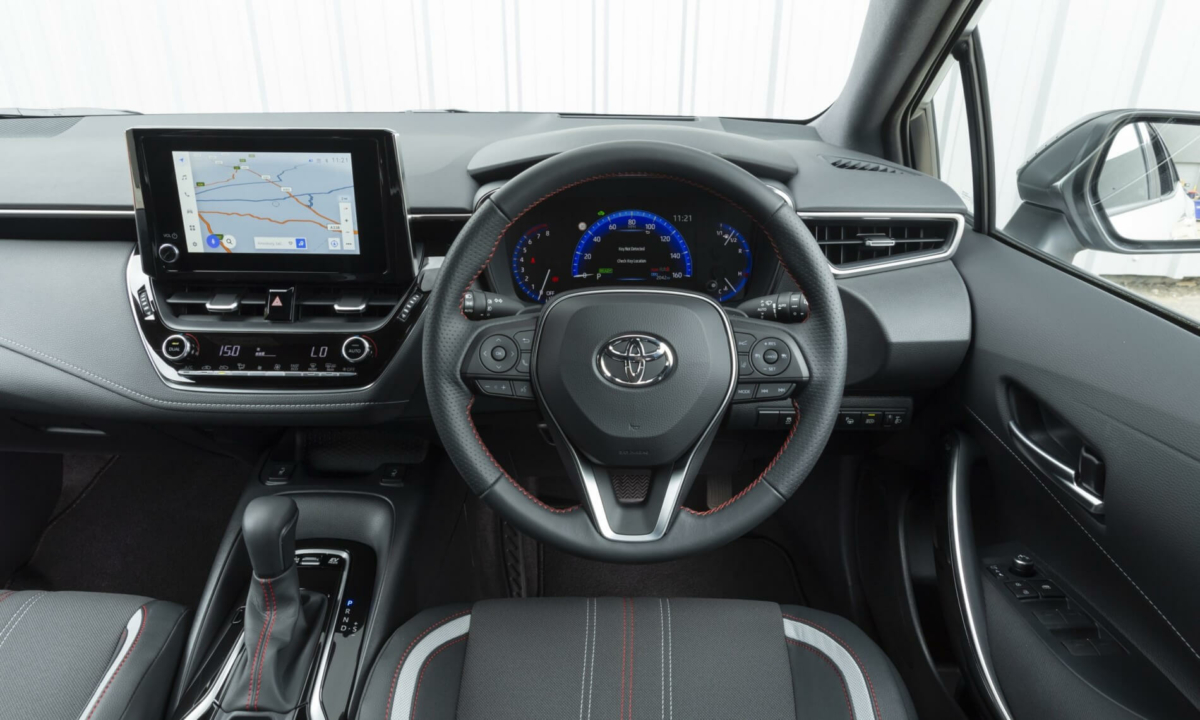
Inside, BYD keeps leaning into its tech-first identity. The rotating 12.8-inch screen sounds like a gimmick until you use it. Portrait mode and landscape mode both have uses, depending on whether you are dealing with navigation, media, or settings. It gives the cabin a more modern feel than the flat, familiar interiors that still dominate this class.
The broader impression is that the Shark 6 Performance aims slightly above the usual bakkie brief. It wants to feel premium, quieter, and more polished than the traditional local recipe. This will appeal to buyers who use a bakkie as a family vehicle during the week and a work tool on the weekend. It will also irritate people who think a proper bakkie should smell faintly of diesel and dust.
The price asks a serious question
At R1,149,000, the Shark 6 Performance steps straight into the same conversation as the Ford Ranger Raptor. That is the comparison BYD wants, and it is a fair one. The Raptor has the badge confidence, the established reputation, and the off-road credibility that comes with years of proving itself in the real world. The BYD answers with more power, more electric-only usability, and a warranty package that should calm some nerves.
That package is decent. You get a 5-year/100,000km vehicle warranty, a 5-year maintenance plan, and an 8-year/200,000km battery warranty. For a newcomer in a segment that buys with suspicion as much as with desire, that sort of cover matters. It does not guarantee resale strength or long-term durability, but it does show BYD understands the fear points.
The Shark 6 Performance is not trying to be the sensible choice. It is trying to be the most interesting one. It has the numbers, the range, and the hardware to make a proper case for itself, and it does so without pretending to be a conventional bakkie. The real question is whether buyers want the familiar diesel formula one more time, or whether they are ready to park something this quick, this heavy, and this unusual in the driveway.