On South African roads, 03:00 is when the odds tilt hardest against you. Optix Intelligence looked at almost 9 million driving hours across a 12-month period. Their ugly answer: crash risk peaks at 3 AM. Drivers are almost twice as likely to end up in a collision as they are in daytime traffic. The safest slot sits much earlier in the day, around 10:00, when the roads are at their least hostile.
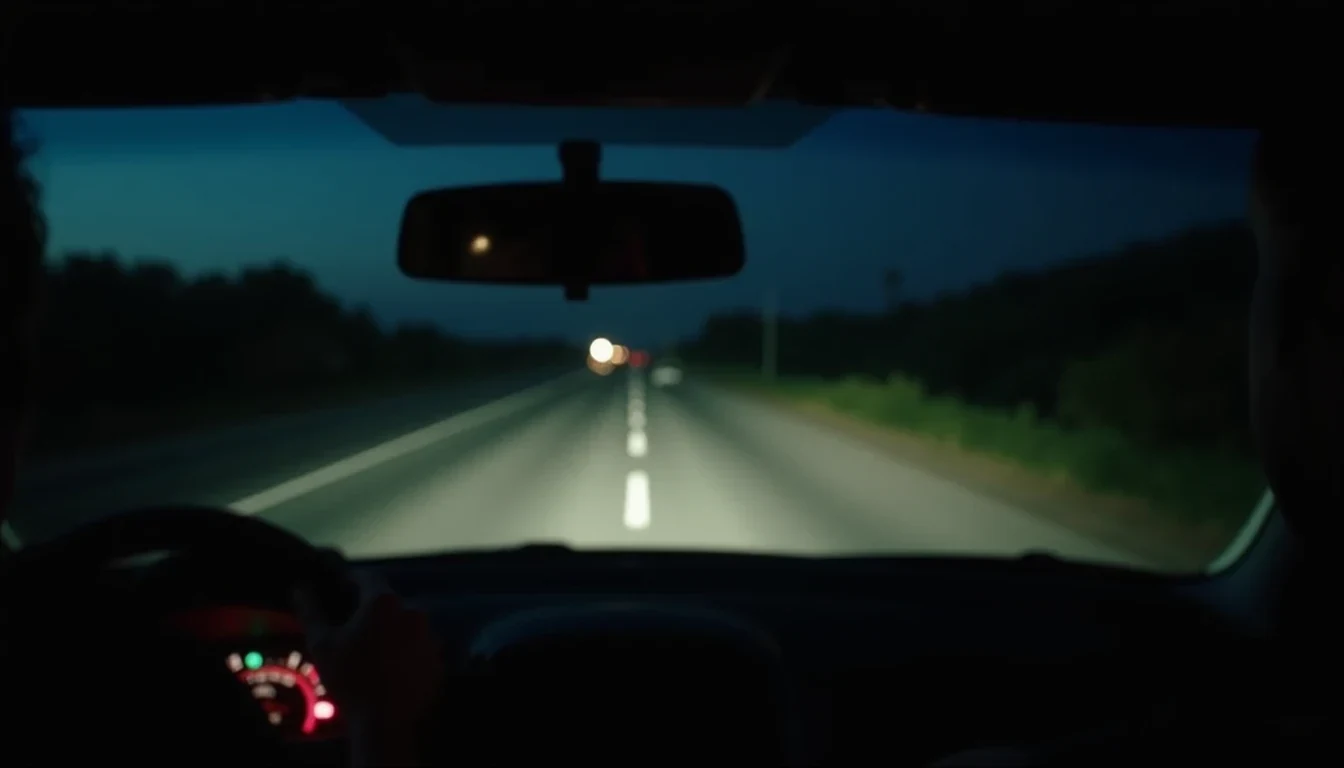
That lines up with what any regular night driver already suspects. The car feels different after midnight. The cabin goes quiet, your shoulders settle, your attention drifts, and the world outside shrinks to whatever your headlights can drag out of the dark. Between 2 AM and 6 AM, the body works against you as much as the road does. Reaction times slow. Concentration slips. Drowsiness starts doing little raids on your judgement.
Why the middle of the night bites hardest
The body does not care that the trip still has 80 km to go. In the early hours, alertness naturally falls away. This is the real poison in the system. By 3 AM, a driver can still feel awake enough to keep moving, but not sharp enough to react cleanly when something appears in front of the bonnet.
Night also strips away the small advantages that keep a bad situation manageable. On an empty highway in daylight, a pothole is an annoyance. In the dark, it becomes a surprise. A faded lane line becomes guesswork. A missing stop sign turns into a very expensive memory. The road does not get more dangerous at night because the tarmac changes shape. It gets more dangerous because your ability to read it gets worse.
What the dark hides on local roads
Street lighting is patchy enough on many routes that darkness does half the work for the road. Once the sun drops, you rely on headlights to reveal everything in time, and that simply is not enough when the surface is broken or the roadside is busy.
Potholes are the obvious threat. They are common, deep, and in the dark they often vanish until the wheel is already in them. Faded road markings are almost as bad. A lane line that is merely annoying in daylight becomes useless when there is no ambient light to pull it out of the pavement. Missing road signs follow the same pattern. You only notice how much you depended on them once they are gone.
Animals are a separate problem altogether. Livestock and wildlife wander onto roads with the kind of timing that makes defensive driving feel like gambling. The risk is especially sharp on the N1, N3, N7, N11 and N12, where a dark animal can appear with almost no warning. A full stop may still not be enough. Pedestrians are just as difficult to spot, particularly when they are walking along the shoulder or crossing where there is no marked point to cross. At night, dark clothing and poor visibility are a lethal combination.
Then there are the objects that should have been visible and were not. A broken-down bakkie on the shoulder. A truck parked without enough warning. Hazard triangles that are too small to matter and taillights that have given up. These roadside surprises turn a normal trip into a hard swerve and a bad headline.
The numbers match the body count
The Optix Intelligence findings do not sit in a bubble. They fit the broader road-safety picture, where more than half of road fatalities happen at night. That should not surprise anyone who has driven long enough on unlit roads to know how quickly a small mistake becomes a serious one after dark.
Night driving compresses your margin for error. You see less. You react slower. Other road users are harder to detect. If the road surface is poor, the odds get worse again. Put those things together and the result is obvious enough without any marketing gloss. The dark changes the whole contest.
How to make the trip less stupid
If you must drive after dark, the first move is simple. Slow down. Not a little. Enough to give yourself time to read the road, not just survive it. The extra few minutes often cost less than a tyre, a windscreen or a tow truck.
Keep your attention disciplined. Scan further ahead than you would in daylight and keep checking the verges for movement, reflective eyes and shapes that do not belong there. Do not let the cabin turn into a lounge. Fatigue is the real enemy on these runs, and it gets louder when the speed is steady and the road is empty.
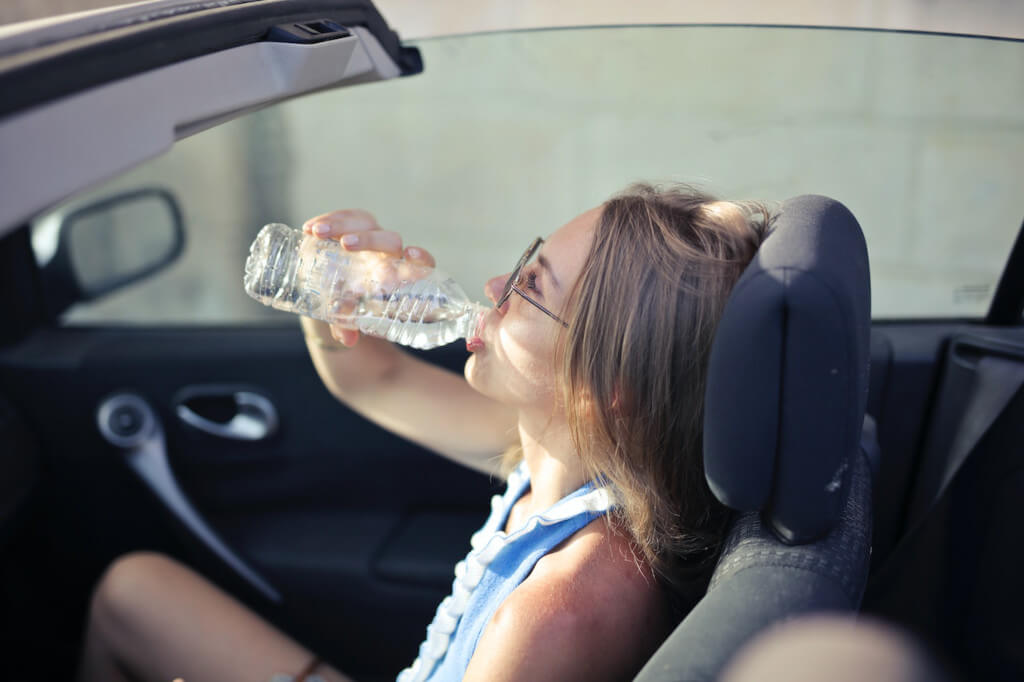
Take breaks before you need them. On a long trip, stop regularly, get out, stretch, drink water and reset your head. If you are already drowsy, do not negotiate with yourself. Pull over somewhere safe and well lit, or hand the wheel to someone else. A tired driver at 03:00 is not being brave. He is being predictable.
The car itself should be in order before you leave. Clean headlights matter more at night than most people admit. So do correctly aimed beams, working taillights and enough tyre pressure to keep the car settled when the surface goes bad. All the skill in the world will not help much if the lights are weak and the tyres are wrong.
The hour that tells the truth
The cleanest argument for avoiding night driving is that the safest time, around 10:00, sits so far from 03:00 that the difference feels absurd. Same roads. Same cars. Very different risk profile. The problem is not that 3 AM is mystical. Tired humans are a poor match for bad lighting, bad surfaces, and badly placed obstacles.
Do you drive better in the daylight or after dark, and have you had a close call on one of our roads that still sits in the back of your mind?