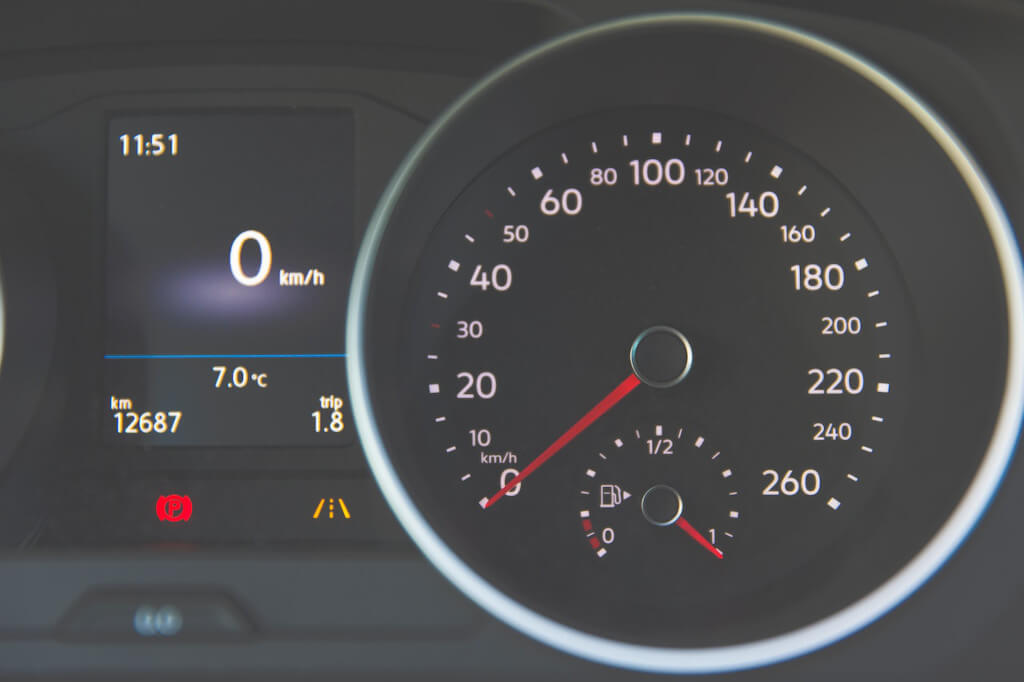

A million-kilometre engine warranty looks heroic on a brochure. In real ownership, it means you have been sold one very loud number for one very specific part of the car.
Buyers keep falling for this trick. The engine cover is not the same thing as the factory warranty, and neither of those is the same thing as a service plan or roadside assistance. By the time a car is six years old, those differences stop being theoretical and start deciding who pays when the screen goes black, the turbo starts whining, or the driver’s seat refuses to move.
The headline number is doing all the shouting
Chery’s case is the cleanest example of the confusion. The Tiggo 7 Pro Max carries a 5-year or 150,000 km factory warranty, a 5-year or 60,000 km service plan, 24/7 roadside assistance, and a separate 10-year or 1,000,000 km engine warranty. That long engine cover is conditional and narrow. It does not suddenly become a full-vehicle safety net.
The wording matters because the biggest number in the advert is not the broadest cover in the paperwork. On Chery’s own wording, the million-kilometre promise is for the engine only and only if the terms are followed. Once the factory warranty runs out, the infotainment screen, seat motors, sensors, and other cabin electronics are no longer saved by the engine extension just because the car still wears a bold badge in the showroom.
Five SUVs, five very different safety nets
Buyers should compare these details before salivating over the biggest kilometre claim.
| Model | Factory warranty | Extra engine or powertrain cover | Service plan | Roadside assistance | Transferability |
|---|---|---|---|---|---|
| Chery Tiggo 7 Pro Max | 5 years or 150,000 km | 10 years or 1,000,000 km engine, first owner only | 5 years or 60,000 km | 24/7, all year round | Engine cover is first-owner only |
| Hyundai Tucson | 7 years or 200,000 km | None stated separately on the standard package | 5 years or 75,000 km | 7 years or 150,000 km | Fully transferable |
| Kia Sportage | 5 years, unlimited km | Optional 2-year Bumper2Bumper extended warranty after factory cover | 6 years or 90,000 km | Included with warranty | Extended warranty transfers to the next owner |
| Ford Territory | 4 years or 120,000 km | Extended warranty can be bought up to 7 years or 200,000 km | 6 years or 90,000 km | 4 years, unlimited distance | Warranty continues through ownership changes while active |
| GWM H6 | 7 years or 200,000 km | 5 years or unlimited km powertrain cover on the current petrol H6 reference table, plus 8 years or 150,000 km battery cover on hybrid versions | 7 years or 75,000 km | 7 years or 200,000 km | GWM now markets the 7-year / 200,000 km warranty as transferable |
The spread tells you almost everything. Hyundai and GWM offer long factory protection that still matters in year six. Kia builds in a shorter factory warranty, then sells an extended layer that can keep the mechanical side covered. Ford starts with a shorter factory period but allows the owner to stretch protection. Chery wins the advert war on one line item, but the rest of the package is more conventional than the billboard suggests.
Year six is where the brochure stops being helpful
Consider three common failures.
An infotainment screen dies in year six. On a Chery Tiggo 7 Pro Max, the engine warranty does nothing. If the factory warranty has expired, you are outside the normal cover. On a Hyundai Tucson, year six still sits inside the 7-year factory warranty, so the screen is far more likely to be a warranty matter. On a Kia Sportage, the standard 5-year factory warranty has already expired, so the answer depends on whether the owner bought the extra Bumper2Bumper cover.
A turbocharger fails in year six. Again, the Chery engine extension is not a magic pass to every major component. Hyundai still has factory cover in force. Kia and Ford need the owner to have either bought extra protection or stayed inside the original factory period. GWM’s current 7-year cover keeps it in play.
An electric seat motor gives up. This is where the service plan myth dies quickly. A service plan pays for scheduled maintenance, not a failed part. Kia’s extended Bumper2Bumper wording is the only one in this group that explicitly talks the language of electrical failures and components like electric motors, GPS, entertainment systems, and central locking. That sort of cover can rescue a year-six owner. A service plan cannot.
Read the fine print before you buy the number
Three questions matter more than the giant kilometre claim.
First, what is the factory warranty, and what does it actually cover?
Second, what is separate from that, meaning service plan, roadside assistance, corrosion cover, battery cover, or a powertrain extension?
Third, who gets the benefit—the first owner only, or the second-hand buyer as well?
That last one is where Chery’s million-kilometre engine promise becomes much less dramatic. A car handed on to the next owner is not carrying the same deal if the long engine warranty does not transfer. Hyundai and GWM are stronger here because the cover stays with the vehicle. Kia’s extended warranty can transfer too. Ford’s new-vehicle warranty follows the car while it remains within the period. The used market remembers fine print long after the advert has been forgotten.
The advert is not the warranty
Buy the biggest number if you want. Just do not confuse it with broad protection.
A million-kilometre engine claim is useful, but only for the engine, only under the stated conditions, and usually only for the first owner. If you are planning to keep a car long enough for the infotainment screen, turbocharger, or seat motor to start acting like a taxi rank queue, the real question is not who shouted the loudest. It is which parts are still covered when the odometer has stopped being flattering.