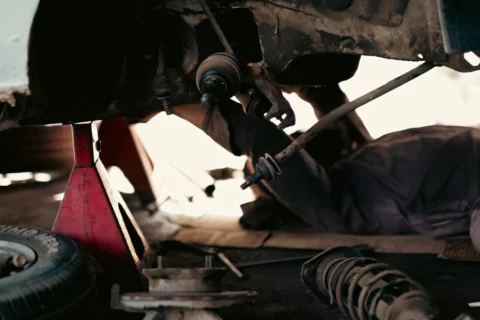
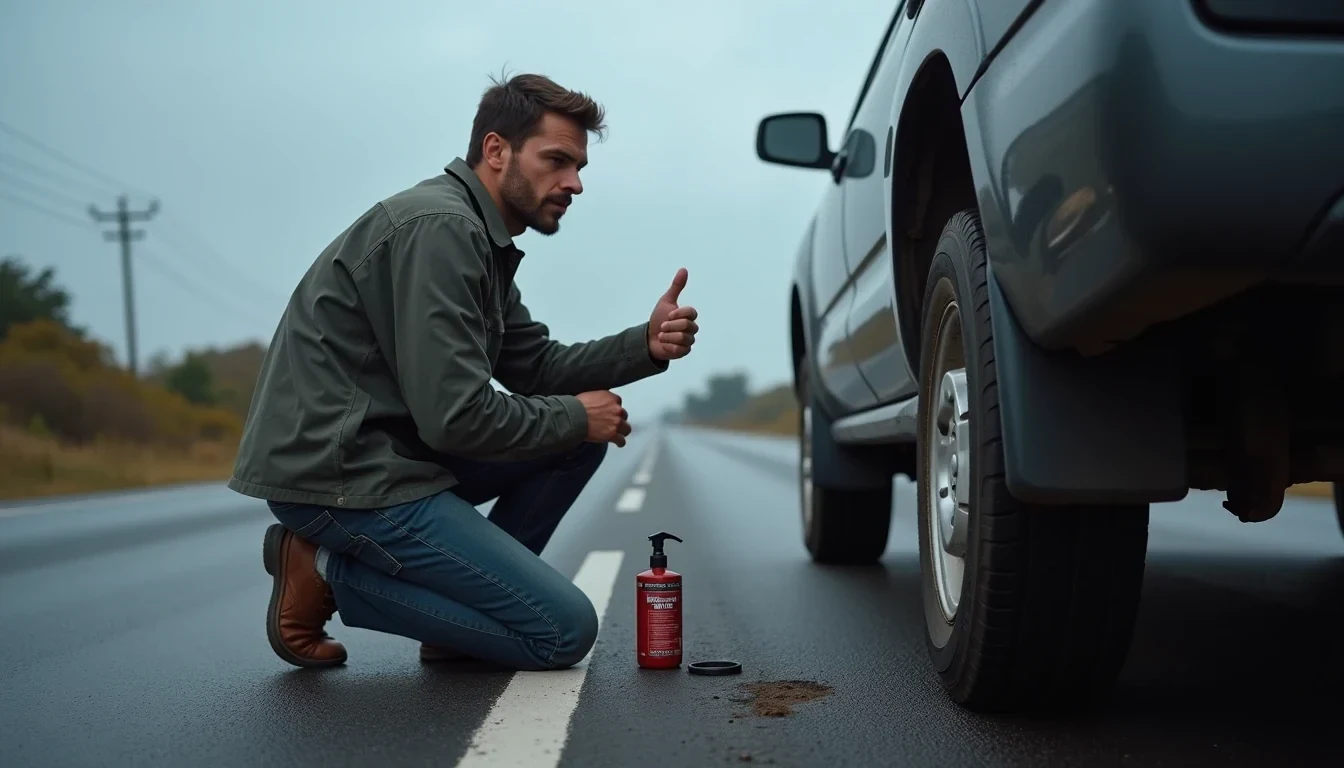
A family leaves Johannesburg for the coast with a boot full of bags, chargers, snacks and the usual promise that “we’ll be fine”. Then a nail turns up in the tread, the tyre goes soft and the boot floor suddenly matters more than the infotainment screen ever did.
Brochure gloss gets exposed here. A repair kit, a run-flat tyre, a space-saver and a full-size spare all live in the same sales conversation, but they do very different jobs once the road starts fighting back. The boot floor tells you which one the car really comes with, and what kind of trouble it can actually survive.
The puncture decides the outcome
A small nail through the tread is the easy case. If the hole is clean and small, a sealant bottle and compressor can usually buy enough time to reach a tyre shop. This is the entire purpose of the factory repair kit: it’s a get-you-there tool, not a cure. It only works when the damage is in the tread and the tyre still holds its shape.
A sidewall cut changes the story completely. The sidewall is not the thick, forgiving part of the tyre. Once it is sliced, the rubber has lost the structure that keeps the whole assembly stable. No compressor or bottle of goo can fix that. On a family run to the coast, that means the car is done until a proper tyre or wheel is fitted.
A damaged rim is another dead end for sealant. If a pothole bends or cracks the wheel itself, the air leak is only part of the problem. The wheel has to be repaired or replaced. A compressor can inflate a tyre sitting on a warped rim, but this does not make the car safe to drive. It only makes the problem louder.
Run flats solve a different problem
Run-flat tyres are often lumped in with repair kits because both let you keep moving after a puncture. They are not the same thing. A run-flat uses reinforced sidewalls to carry the car for a limited distance after it loses pressure, usually around 80 km at up to 80 km/h, depending on the tyre maker’s limits.
That buys time, which is useful, but it comes with a price. Run-flats ride firmer, and on broken surfaces that extra stiffness shows up quickly. They also tend to cost more when replacement day comes. Push one too far while flat and it can be ruined internally, even if the outside looks serviceable. At that point the tyre shop is not saving it.
So the family heading south has three very different tools available, depending on the car. The repair kit can handle a nail in the tread. The run-flat can sometimes carry the car after a loss of pressure. Neither of them rescues a tyre with a sidewall gash or a wheel that has taken a proper hit from a pothole.
The spare wheel still does the hardest work
A traditional spare wheel remains the blunt instrument of the group, and that is not a criticism. If the tyre is damaged beyond repair, a proper spare lets the trip continue without drama. The Automobile Association’s advice is plain enough, especially for long rural routes: carry a usable spare, keep it inflated, and make sure the jack and wheel spanner are actually in the car.
That advice sounds old-school until you are somewhere between a fuel station and nowhere, with weak signal and a tyre stock problem that will not be solved before lunch. A repair kit is handy in the city. On long, quieter roads it is a compromise, and not a generous one.
The spare also becomes the only sensible answer when the wheel itself is bent. A sealant kit cannot fix aluminium, steel or bad luck. A spare can at least get the family moving again while the damaged rim is dealt with later.
The boot floor tells the truth
The sales brochure starts sweating here. Cars that arrive with a repair kit often advertise the boot volume as if nothing has been sacrificed. Lift the floor and the reality is usually more honest.
A Volkswagen Polo, including Life and GTI versions, is a good example. The boot floor is mostly flat, with the kit tucked away underneath. The same basic idea shows up in cars such as the Hyundai Venue, which also hides its emergency gear below a clean cargo surface. The load bay looks tidy because the tyre solution has been pushed out of sight.
BMW’s 1 Series and Mercedes-Benz A-Class often go the same route. The floor lifts to reveal the kit, battery and other packaging tricks. You get a neat boot. You also get no spare wheel. Buyers tend to discover that only when they need the missing item, which is a poor time to learn about boot architecture.
When a full-size spare eats the luggage
The moment a full-size spare is carried beneath the boot floor, the packaging changes. The floor rises. Vertical space shrinks. The loading lip may stay manageable, but the boxy items go first, and the family holiday starts to feel like a game of forced compromise.
That matters far more than a brochure’s litre figure suggests. A flat boot floor swallows suitcases, folded prams, cooler boxes and the awkward suitcase that never fits right. A raised floor cuts that generosity back. You may still have the same badge on the tailgate, but the boot is not doing the same job anymore.
For a coastal trip, that can mean softer bags instead of hard shells, a roof box instead of a clean roofline, or simply leaving behind the extra bag nobody wanted to admit was unnecessary. The full-size spare has not stolen the boot. It has negotiated a better deal for roadside survival and charged you in luggage space.
Check the floor before you sign
The smartest move is simple. Open the boot, lift the floor and look for the tyre equipment yourself. Do not trust the brochure photo, and do not assume that a “repair kit” means the car is prepared for every puncture you might meet between Sandton and the sea.
A nail in the tread can be manageable. A cut sidewall can end the day. A bent rim can end the tyre’s usefulness completely. Once you see how little of that reality is visible from the showroom floor, the boot suddenly becomes one of the most important parts of the car.