A car that suddenly goes light, drifts wide, or yanks to one side is not asking for panic. Panic turns a recoverable moment into bent metal and a bad story told in the wrong lane.
Most people are taught how to start a car and pass a licence test. Far fewer are taught how to keep a calm grip when a tyre lets go at 100 km/h, or when rain turns tar into a sheet of glass on the N1. The basics are simple. The discipline is not.
Keep the car straight first
A tyre blowout can feel like the vehicle has been kicked in the side. The steering wheel jerks. The car pulls hard toward the damaged tyre. Your job is to stop it from becoming a spin.
Hold the wheel with both hands and keep the car tracking straight. Do not stamp on the brake pedal. Lift off the accelerator smoothly and let speed bleed away on its own. If the car is still moving cleanly after the worst of the pull has passed, apply the brakes gently and bring it to a stop in a safe place.
That safe place should be flat, visible, and away from traffic. Hazards on, indicator on if needed, and no heroic decisions about squeezing the car onto a narrow shoulder. On some highways, the emergency lane is abused by other drivers, making standing there while traffic flies past a bad plan unless there is no alternative.
Roads broken by potholes and rough edges make the whole episode worse. A front-tyre failure on smooth freeway asphalt is difficult enough. On a patched provincial road, the car can feel as if it has lost the plot entirely.
Wet roads punish lazy speed
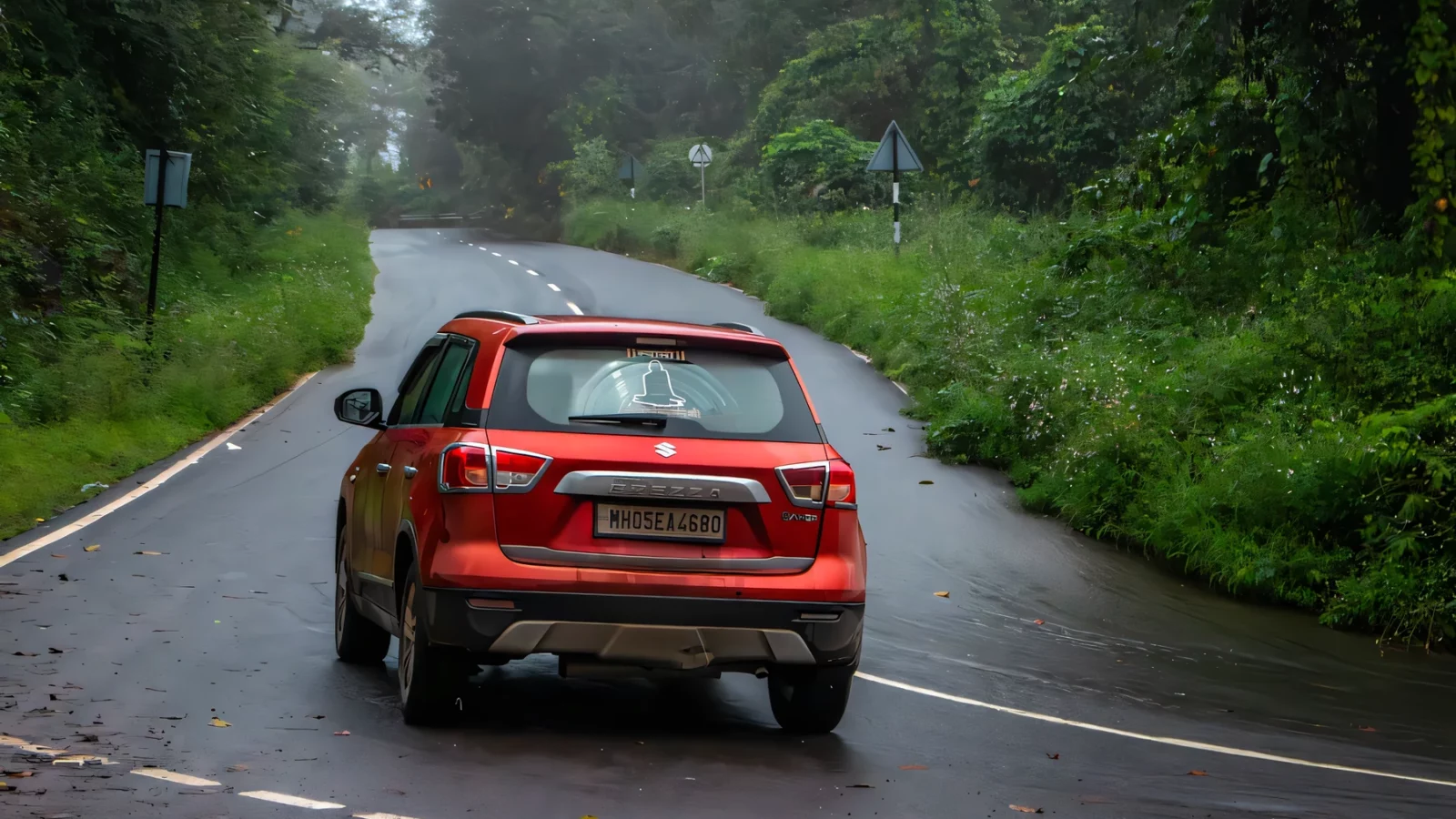
Hydroplaning happens when the tyres stop biting into the surface and start riding on a film of water. The steering goes oddly light. The car may feel as if it is floating. On wet Highveld roads or in a Cape winter downpour, that moment arrives faster than most drivers expect.
If it happens, do less. Not more.
Ease off the accelerator. Keep the steering pointed where you want to go. Do not wrench the wheel. Do not brake hard. Sudden inputs only make the recovery uglier once the tyres bite again.
The better move starts before the car loses grip. Slow down early when the rain comes down hard. On busy routes like the N1 or N3, leave a much larger gap than usual. Two seconds is fine in dry weather. In the wet, stretch that to four seconds or more. Standing water, worn tyres, and higher speeds are a poor combination. Hydroplaning can start at 50 to 60 km/h if the water is deep enough and the tread is tired.
Tyre condition matters here more than people like to admit. The legal minimum tread depth is 1.6 mm, but waiting that long is penny-wise and reckless. At around 3 mm, the tyre still has a fighting chance of clearing water properly. Below that, the margin shrinks fast.
Mirrors help, but they do not replace a head check
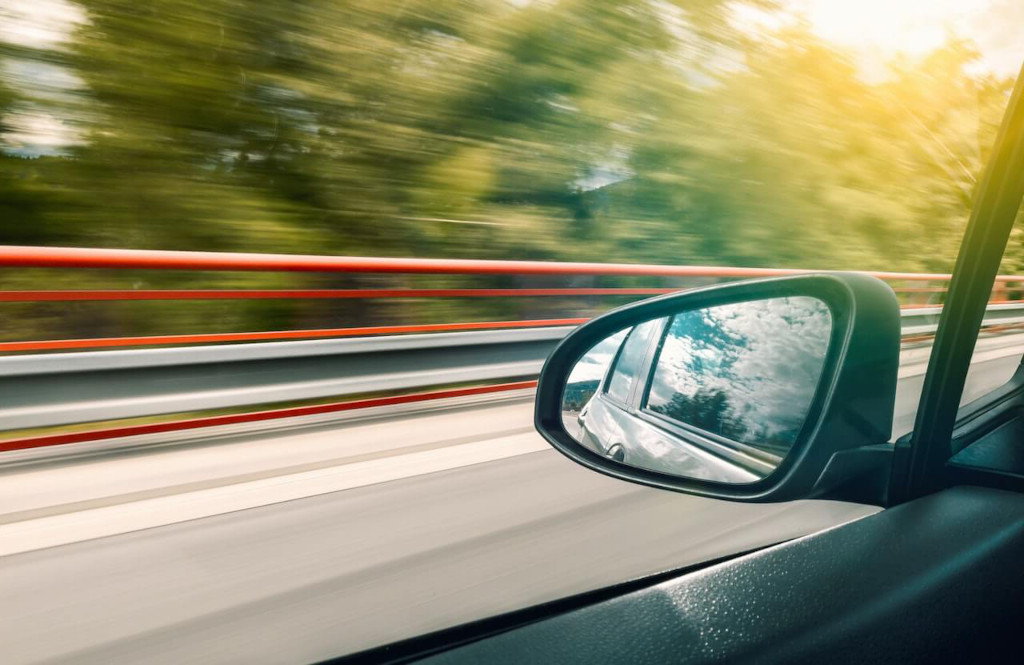
A properly set mirror should show just a sliver of your own car. That angle reduces blind spots, but it never removes them completely. The final check is still the one over your shoulder.
Before changing lanes, glance directly into the space you want to move into. That quick look catches the motorcycle, hatchback, or taxi that has slipped into the gap your mirrors missed. On roads where minibus taxis and heavy trucks move aggressively and leave little room for error, that glance is not optional.
Blind spot monitoring systems can help. A Toyota Corolla Cross or a VW Polo with the right spec may warn you if something is sitting out of view. Use it. Just do not hand the job over to a warning light. Electronics can miss what your own eyes would have caught in a split second.
The safest habit is the oldest one. Set the mirrors properly, check the mirror, then check over your shoulder. Every time.
Build distance before the trouble starts
Most emergency driving goes wrong because the driver had no room to think.
Space is time. Time is control.
If the road is wet, make your following gap bigger before anyone starts sliding. If traffic is dense, resist the urge to sit right on the bumper ahead. The car in front may brake, swerve, or lose grip, and you need enough room to react without adding your own mistake to theirs.
This is also where the K53 foundation should have paid off long before the licence card was issued. Systematic observation, hazard awareness, and defensive positioning are not exam tricks. They are the habits that stop a bad moment from becoming a collision.
Train the reflex before you need it
A calm response in an emergency is usually a trained response.
Advanced driving courses still matter. AA courses and reputable driving schools teach skid control, emergency braking, and hazard recognition in a way that sticks because your hands feel it, not just your head. A few hours in that environment can sharpen reactions more than years of casual commuting ever will.
The same logic applies to vehicle upkeep. Check tyre pressures weekly, including the spare. Look for sidewall bubbles, cracks, uneven wear, and anything embedded in the rubber. Make sure the wipers clear properly and the brakes feel consistent. A car that is mechanically tired gives you less to work with when the road turns hostile.
When the car misbehaves, your best move is usually boring
Experienced drivers sound dull when they talk about emergencies for a reason. They keep repeating the same plain instructions because those instructions work.
Stay off the brake until the car is stable. Ease off the throttle instead of fighting the wheel. Keep the car pointed straight. Check blind spots with your head, not hope. Slow down in rain before the tyres start skimming water. Leave space. Maintain the car.
Those habits do not make a driver invincible. They do something more useful. They buy a few more seconds of control when the road has already started taking them away.