Big wheels look expensive because they are expensive. The showroom tells you they are a reward. The road tells you they are often a penalty.
A 19-inch rim fills an SUV arch neatly. It also shrinks the tyre sidewall, which is where the car used to buy itself a bit of mercy from bad tar, broken expansion joints and the sort of pothole that appears between one drive and the next. On a family SUV, that mercy matters more than the styling department would like to admit.
The first thing you lose is comfort
Take the Honda CR-V line-up. The Executive rides on 18-inch wheels with 235/60 R18 tyres. The Exclusive steps up to 19-inch rims with 235/55 R19 rubber. Same body, same basic brief, different amount of cushion between the cabin and the road.
That difference shows up immediately on a rough stretch. The 18-inch setup rounds off sharp edges more cleanly. The 19-inch car passes the same pothole, speed bump or patched seam with a harder hit through the seat base and steering column. The tyre is still doing its job, but there is less of it, so the body takes more of the hit.
The BMW X3 Rugged is the neat reversal. It drops from the standard 19-inch road setup to 18-inch wheels with taller all-terrain tyres. That extra sidewall is not there for fashion. It gives the chassis more breathing room on broken surfaces and makes the car feel less tense over the kind of road that ruins a neat launch-drive impression in about 30 seconds.
Bigger wheels sharpen the wheel, then spoil the ride
There is a reason manufacturers keep fitting larger wheels to higher trims. The steering feels quicker. The front end reacts with less delay. The car turns in with a cleaner, tighter motion.
A lower-profile tyre flexes less, so the first response to a steering input is sharper. On smooth bitumen that can feel tidy. On ordinary roads it can also feel busy. The tyre starts following grooves, camber changes and old repair lines with more enthusiasm than you asked for. That is tramlining, and some SUVs on 19-inch or 20-inch wheels do it more than they should.
Noise goes the same way. A taller-sidewall tyre usually has a softer manner and more rubber to absorb the sharp stuff before it becomes cabin chatter. A lower-profile tyre has less isolation, so you hear more of the road texture and more of the slap when the tyre meets broken surface. Over a long highway run, that becomes fatigue, not feedback.
The damage bill is the real insult
The maths on sidewall height is ugly. A 235/50 R19 tyre has about 117.5mm of sidewall. A 235/60 R18 tyre has 141mm. That 23.5mm difference is the gap between shrugging at a bad impact and pinching the tyre against the rim.
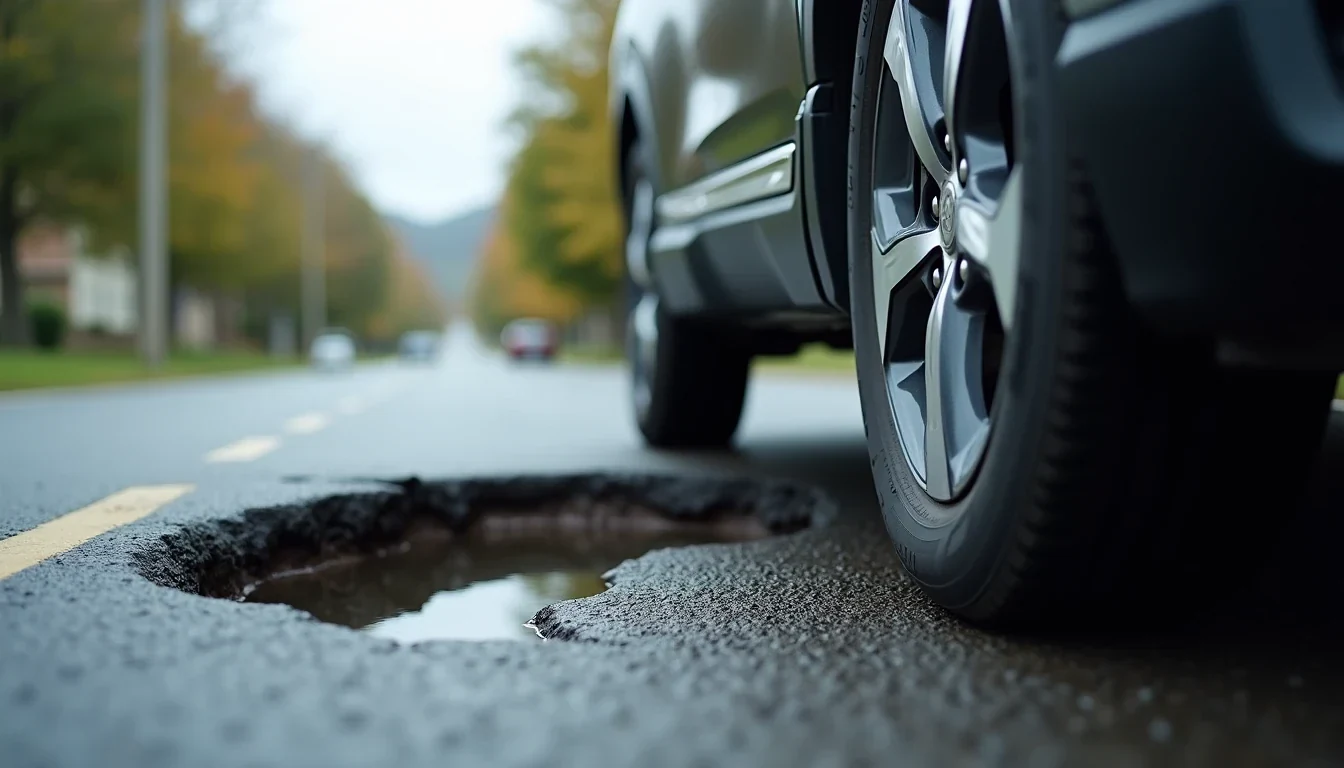
That is how you get bulges, sidewall cuts and bent alloy rims. One bad pothole can take out the tyre and the wheel together. Once that happens, the 19-inch upgrade stops looking like a tasteful option and starts looking like a bill.
That risk is not theoretical on local roads. The larger the rim, the less room the tyre has to absorb abuse before the wheel itself gets involved. SUV owners with 19-inch and bigger packages know the story already. The car looks better in the driveway. Then it meets a square-edged hole and the bill arrives with a different tone.
The replacement prices are where the nonsense ends
Recent checks with Tiger Wheel & Tyre, Supa Quick and BestDrive show the cost gap in plain numbers.
A common 235/60 R18 SUV tyre typically lands somewhere around R2,800 to R4,500 depending on brand. Goodyear EfficientGrip SUV sits roughly in the R2,800 to R3,500 band. Continental CrossContact LX Sport is more like R3,200 to R4,000. Michelin Primacy 4 SUV climbs to about R3,500 to R4,500.
Move to 235/55 R19 and the floor lifts fast. Expect about R4,800 to R7,500. Goodyear EfficientGrip Performance SUV is commonly around R4,800 to R5,800. Continental PremiumContact 6 sits near R5,500 to R6,500. Michelin Pilot Sport 4 SUV can reach R6,000 to R7,500.
Stock follows the same pattern. The 18-inch size is the easy one. It is the size fitment centres tend to have or can source quickly. The 19-inch tyre is more often order-in, especially if you want a specific premium brand or a run-flat. That delay matters when your car is standing on the shoulder with one ruined tyre and a bent lip.
The styling tax only makes sense if you never drive badly surfaced roads
Big wheels do improve the stance. Nobody needs convincing on that point. A higher-trim SUV on 19-inch or 20-inch rims looks more complete in a showroom and a little more expensive in the car park.
But for daily use, the trade is blunt. You give up ride compliance, add road noise, invite tramlining and increase the chances of tyre and rim damage. You also lock yourself into pricier replacements, and sometimes a wait for stock, every time one tyre is cut or one rim gets kissed by a pothole.
For a family SUV, that is a poor exchange. If the larger wheel does not improve the way the car rides on the roads you actually use, then it is mostly paying for appearance. On ordinary tar, the smarter choice is usually the one with more sidewall, not more showroom attitude.