The fastest part of a road trip is usually the planning you do badly. People spend hours arguing about where to sleep, which coffee stop is non-negotiable and whether the route should hug the coast or cut inland, then toss a bag into the boot and call it sorted. The car, the trailer and the driver decide whether the trip feels easy or ends on a shoulder with hazard lights on.
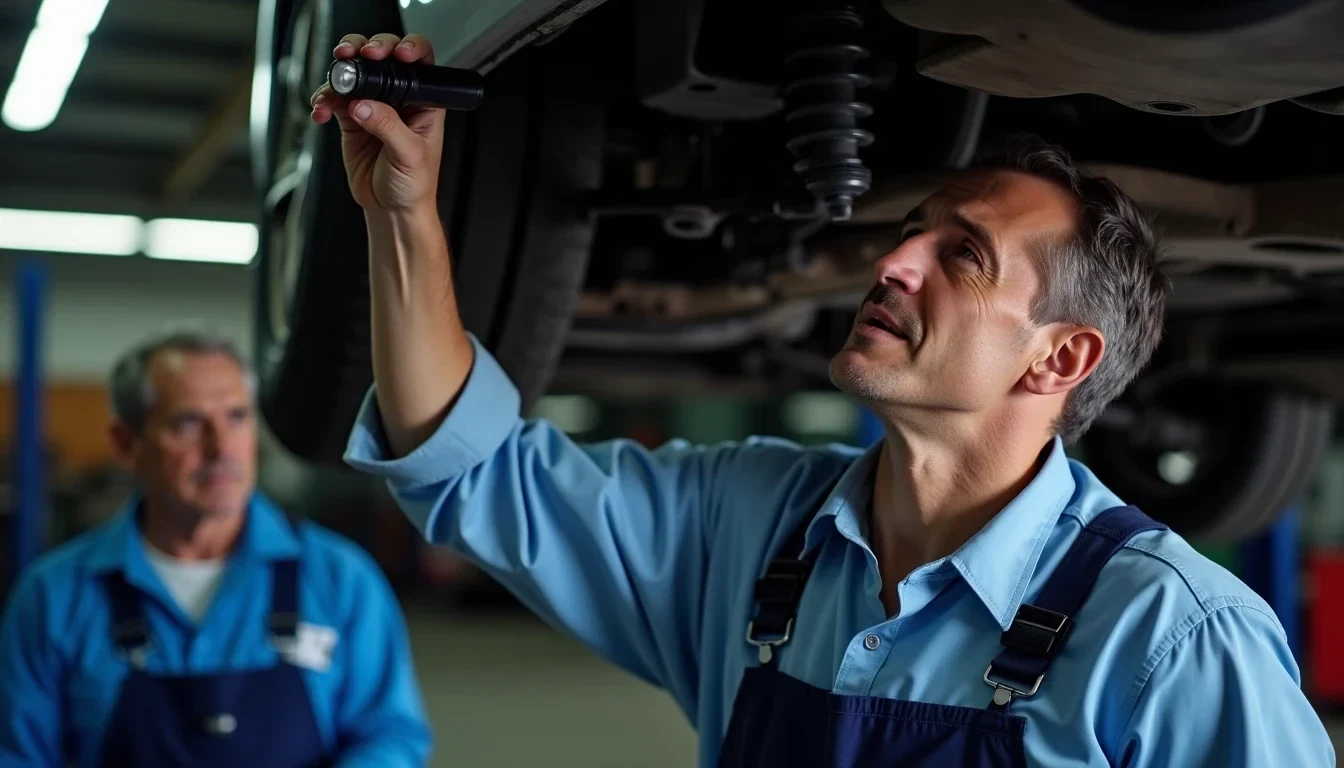
Layton Beard at the Automobile Association of South Africa has the right instinct here. Before you talk about views, playlists or lunches, the vehicle needs a proper inspection. The AA’s 125-point check is the sort of pre-trip discipline most people skip until a warning light starts blinking outside Beaufort West.
The car has to be boringly ready
A month or two before departure is the sensible window. That gives enough time to fix what the inspection finds instead of discovering a worn part the night before you leave. Beard also extends the warning beyond the tow car. Trailers and caravans need the same attention, right down to axles, nuts and bolts that may be on their last legs.
A second layer of preparation has nothing to do with a workshop. Read the owner’s manual. Know whether the car carries a spare wheel or runs on run-flats. Check that you have the kit to change a wheel if you need to. Too many drivers know the shape of their infotainment screen better than they know the contents of their boot.
A self-wash helps more than people think. Dirt hides small dings, stone chips and fresh scrapes. If you clean the car yourself from time to time, you notice the nick on the bumper before it turns into a rust spot, and you catch loose trim before it disappears somewhere between Harrismith and Ladysmith.
The same basic discipline applies to the stuff that keeps the car moving: tyre pressures, fluids, brakes, lights. Pack a roadside kit with a spare wheel, jack, jumper cables, flashlight and basic tools. Keep your licence, registration and insurance details in the car. Then check that the insurance cover actually matches the trip you are making.
The driver is the bigger variable
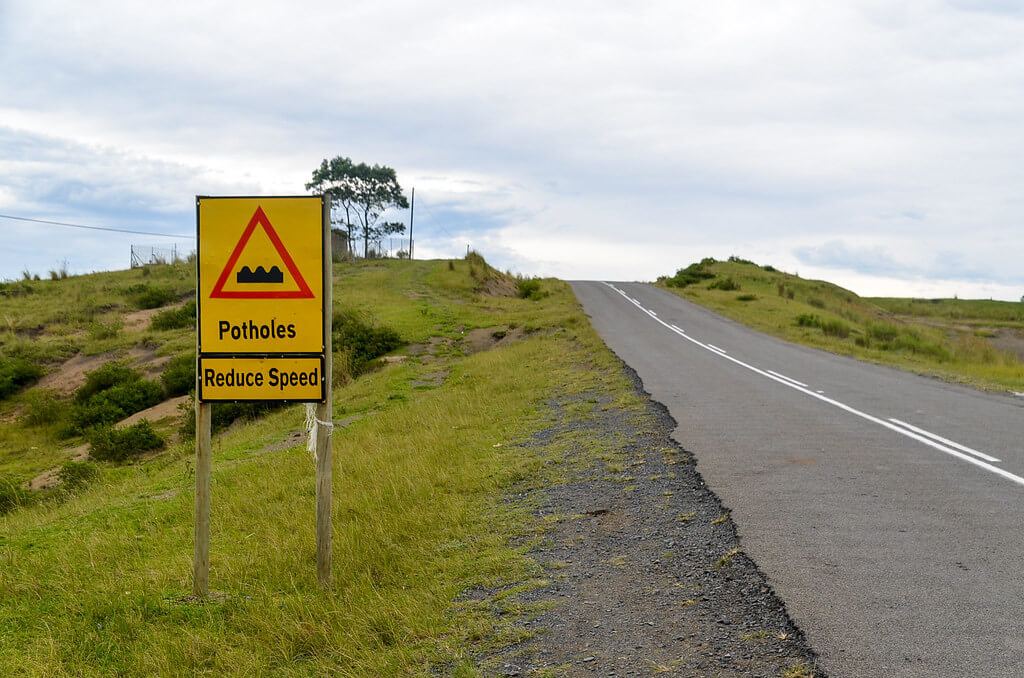
South African crash statistics are brutal enough without softening them. Around 12,500 people die on the roads each year. Beard attributes 93% of those deaths to driver behaviour. The rest comes from road conditions, including potholes and dead traffic lights, plus weather such as rain and fog. The road is not harmless, but the person holding the wheel remains the main risk.
Long-distance drivers would rather ignore that awkward truth. A car can be prepared, but a driver has to be present.
Beard’s advice is plain. Stay patient. Stop at least every two hours, even if you think you can push through. Do not drive like the trip is a race. Overtake only when the gap is genuinely clear. Obey the rules. Get home alive.
He also brings up a detail that gets forgotten in trip talk. The driver needs to be physically fit to drive, which includes dealing with eyesight tests during the year if they are needed. Alcohol has no place in the equation. Neither do drugs, nor medication that blunts reaction time or judgment. The party can wait until arrival.
Marius puts it bluntly: ignorance and arrogance together are deadly. This is not melodrama, but a tidy summary of most preventable road stupidity. On a long journey, especially with family in the car, you are protecting yourself and trusting every other road user to do their part too. Calm beats ego every time.
Overlanding changes the tempo
The classic South African road trip is not just toll roads and Wimpy coffee, nor only the N3 rush to Durban in December. Some of the best journeys happen when you leave the main road and stop trying to win the map. Overlanding has grown sharply in the past couple of years because more travellers want the route to be part of the story.
Marius says he used to treat travel as a simple A to B problem. Now he prefers A to B via Z. That sounds romantic until you realise how often the detour becomes the memory you keep.
Johan Kriek, who founded the Adventire Trophy, lives in that space. For him, the point is the most scenic line possible, not the shortest one. He says the post-Covid period brought a fresh appetite for this kind of travel, with people looking for different ways to reach the same destination.
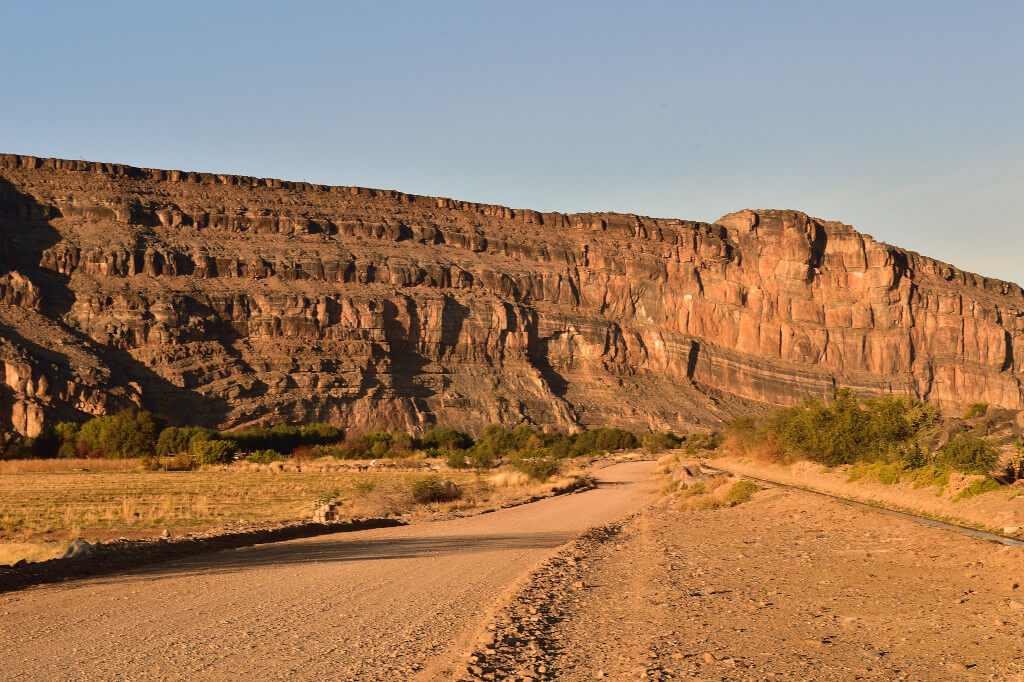
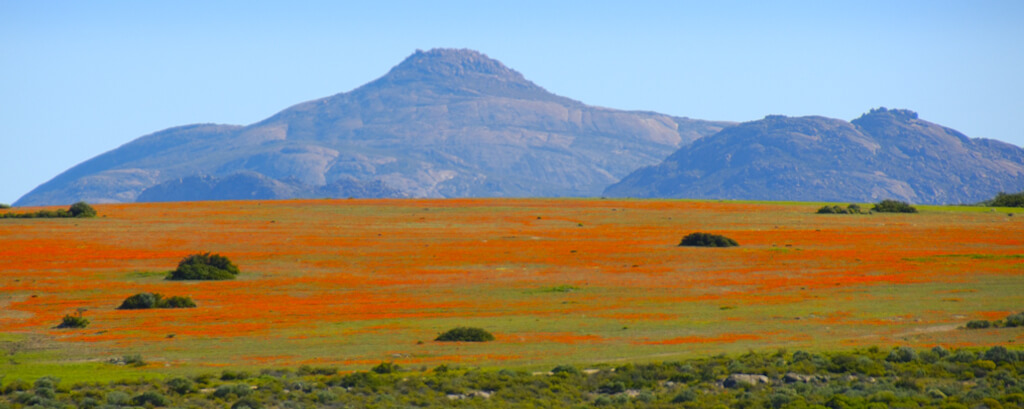
The Karoo is a good example. People call it empty because they are staring at the N1. Leave the tar, drift off toward farms and smaller tracks, and the place stops being a blur between cities. It becomes a landscape with texture.
Quiet is part of the reward
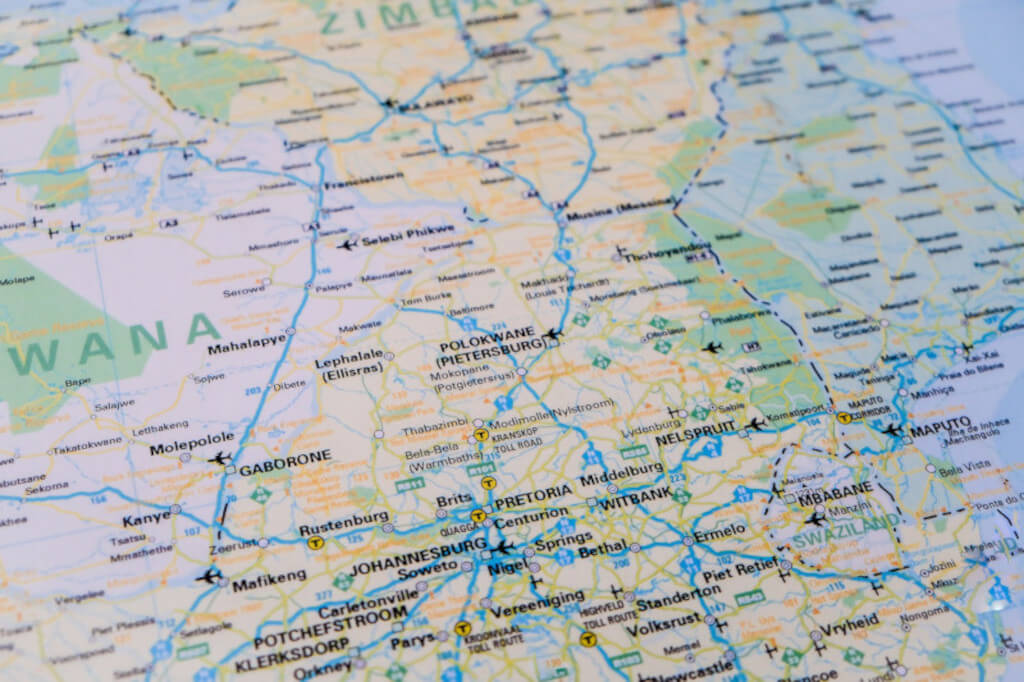
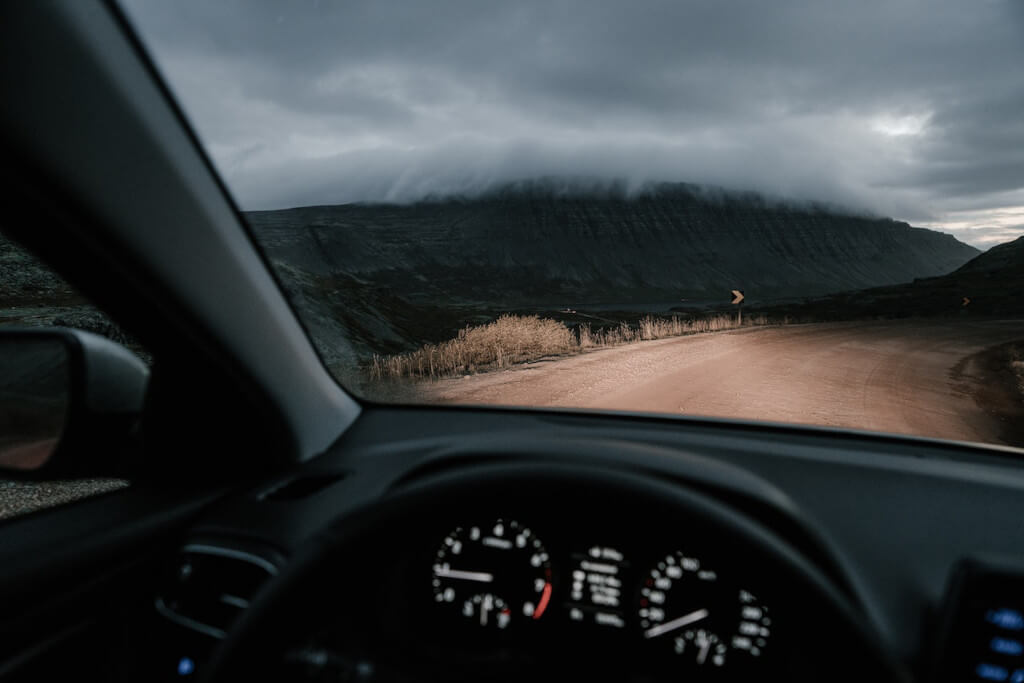
Planning still starts with Google Maps. It gives you distance, broad route choices and alternatives such as going to B via C. After that, you have to think properly about road surface, timing and how far you can realistically cover in a day. Maps do not tell you whether a section has been chewed up by weather or whether a gravel stretch will drag your average speed down to a crawl.
For off-road travel, Kriek uses Tracks for Africa on his GPS. It adjusts for slower travel on gravel and tracks using routes plotted and driven by people who have actually been there. That is a better guide than a glossy route description that pretends every road is a ribbon of fresh tar.
In very rural areas, local knowledge matters more than any app. Kriek tries to speak to people who grew up in the area because they know the small tracks, the passes that still work, the river crossings and the places that look passable from a distance but are not. They also know routes such as the Forgotten Highway, the 1,000 km stretch between Tulbagh and Kuruman.
The best moments often happen when nothing is happening at all. Lunch in the bush, on a hill or in the middle of nowhere has a stillness that a service station can never copy. You look left and right instead of staring through the windscreen. You notice people, farms, fences, birds, dust and silence. The quiet can feel almost unreal.
Start small and keep it simple
Overlanding does not need to become a gear fetish. If the vehicle has the ground clearance, the basic recipe is modest: fuel, a place to sleep, a place to eat. A small tent, mattress, bedding and maybe a chair. Food can come from home or a local B&B. The kit can grow later, once you know what kind of travel suits you.
Kriek recommends going out with a qualified guide or a group if you are new to it. Farm stays are another low-pressure way in, especially because farmers tend to be welcoming and know the area well. If you can get out under the stars in the middle of the night, you are already part of the point.
For longer, remote trips, the gear list gets serious fast. Tents, kitchenware, fridges, roof racks, air compressors, winches, driving lights, inflators, gauges and suspension lifts all cost money. Deon Venter, chief executive of 4×4 Megaworld, says there is no way around that if you want to do it properly. He also says the setup should match the way you travel. Staying put for four, five or six days suits a trailer or off-road caravan. Moving every day points you toward rooftop tents.
Venter prefers looser trips, with little booking and no fixed script. He buys groceries the day before, loads the car and lets the route unfold. Before any of that, though, he wants one thing checked well in advance: the vehicle must be 100%, from suspension to fridge charging, because a breakdown can spoil the whole exercise.
Pack for the boring parts too
A proper road trip plan includes rest stops, attractions and accommodation. It also includes the unglamorous bits people forget until they need them. Tell someone your itinerary and estimated arrival times. Keep your phone charged, with a car charger and a backup power bank. Pack snacks and water. Check the weather before you leave and again along the way. Secure valuables. Stop often enough to rest, stretch and hydrate.
The open road rewards people who prepare for the trip they actually have, not the one they imagine in their heads. If you sort the car, respect the driver you are behind the wheel, and leave space for the journey to surprise you, the whole thing becomes larger than the destination.