
South Africa’s AARTO points system is being sold as a cleaner way to deal with bad driving, but the real test is uglier than the law itself. A list of demerit points can punish repeat offenders. It cannot fix officers who do not enforce the rules, drivers who treat the road like a suggestion, or a public that only learns the new system after the notice has already landed in the post.
The legal reaction to AARTO is broadly supportive and sharply cautious. The framework starts every motorist at zero points. Offences then add between 1 and 6 points, depending on severity. Reach 12 and the licence is suspended. Go over that threshold and the suspension stretches by three months for every extra point. Do that badly enough three times and the licence can be cancelled, forcing the driver back to learner status and the full testing process after the disqualification period.
A system built to hurt repeat offenders
The attraction of AARTO is obvious. Fines are annoying. Losing the legal right to drive is another matter entirely. This consequence can make a commuter think twice before blasting through a red light, and make a fleet driver rethink a habit that has been ignored for years.
The system also includes a small but useful correction mechanism. A driver’s tally drops by one point every three months, provided no new infringements are committed during that period. This gives responsible motorists a path back to clean paper without waiting forever, and it rewards consistency instead of a single lucky month.
That design matters because the old approach has often looked like a tax with a traffic badge on it. Pay the fine, carry on, and leave the same dangerous behaviour untouched. AARTO tries to shift the punishment from the wallet to the licence, which is where the pressure should have been all along.
The law is the easy part
The harder problem is everything outside the statute book.
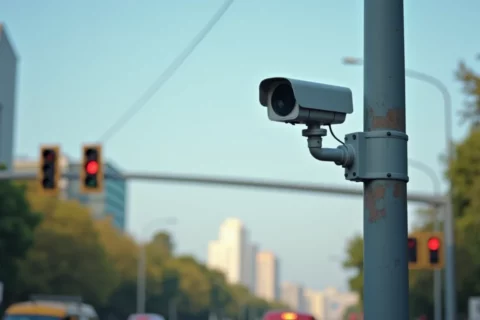
For AARTO to work the way its architects intend, traffic enforcement has to be visible, consistent and difficult to game. That means trained officers, functioning cameras, reliable infringement systems and an appeals process that does not turn into a paperwork swamp. It also means less tolerance for corruption and less of the usual postcode lottery where one area gets enforcement and another gets excuses.
None of that is decorative. If motorists believe they will only be caught occasionally, they will keep gambling. South African roads already carry enough evidence of that logic. Speeding remains routine. Phones are still in hands. Indicators are optional for too many drivers. A red light is often treated as a dare rather than a command.
AARTO cannot fix that attitude on its own. A points system depends on the threat of being caught and the belief that the process will actually follow through. Without that, the system becomes theatre.
Drivers will have to change too
The law can count offences. It cannot force discipline into a driver who has spent years ignoring the basics.
Many people would rather skip this part. A country with a serious road safety problem needs better penalties and a different driving culture. Drivers must go slower where the limit says slow, show less aggression in traffic, have more patience at four-way stops, and take fewer pointless risks because someone is late, irritated or convinced the rules are for other people.
AARTO assumes that behaviour can be nudged by consequence. That is fair enough. But the consequence has to land inside a road culture that recognises the idea of accountability in the first place. If the habit is still to push the limits until something happens, the demerit tally will only become another number people complain about after the fact.
Professional drivers will feel this most sharply. Taxi operators, couriers, truck drivers and anyone else who earns a living behind the wheel cannot afford licence problems caused by sloppy enforcement or confusing administration. If the system is messy, the pain falls hardest on the people who spend the most time on the road.
Education is the missing piece
A road law that people do not understand is a trap waiting to be sprung.
Public education is central rather than decorative. Drivers need to know how the points accumulate, how to check their status, what happens after a suspension and how to challenge a bad notice. If the message only arrives after an infringement, the damage is already done. A half-explained system breeds resentment fast.
The bigger failure would be to treat road safety education as a one-off campaign. It cannot live in a poster on the side of a highway or a burst of radio adverts during a holiday period. It has to be continuous, simple and impossible to miss. Schools should be part of that. So should licensing, refresher training and the ordinary public conversation around driving.
The brief from legal experts is blunt on this point. AARTO only works if education, enforcement and behaviour move together. Leave one of those out and the whole thing starts wobbling.
The roads still need fixing
No penalty register can reach another layer of the problem: bad roads make bad driving worse.
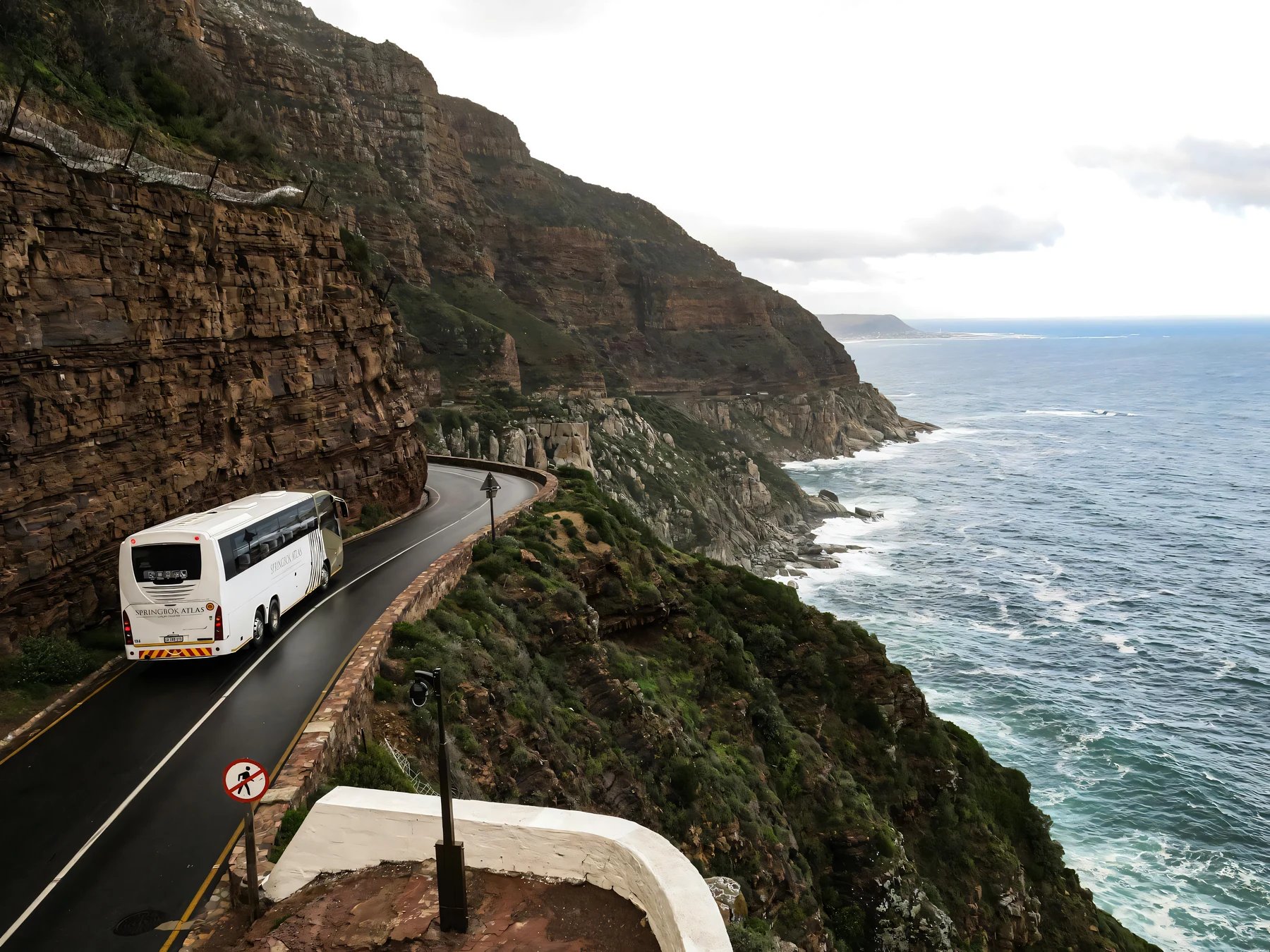
Poor surfaces, weak signage and inadequate lighting create the kind of environment where errors multiply and enforcement gets harder, not easier. A camera on a broken stretch of road is not a full solution. Neither is a fines system in a place where markings are faded, signs are missing and visibility drops off after dark.
AARTO should be seen as one tool in a much larger road safety job. It can help remove habitual offenders. It can create a paper trail that sticks. It can make the cost of bad driving feel real. But if the roads themselves remain chaotic, the promise stops at the gate.
A good idea that can still fail
AARTO is not the problem. Pretending it will work in isolation is the problem.
Used properly, the points system can push South African motoring towards something saner, where repeat offenders lose the privilege to drive and ordinary motorists have a reason to stay sharp. Used badly, it becomes another system that looks serious on paper and feeble on the road.
The warning from the legal side is plain enough. The country needs demerit points, enforcement that lands, education that reaches people before they are fined, and a driving culture that stops treating every journey like a test of nerve. Without those parts, AARTO risks becoming one more official promise made to unsafe roads.