South Africa has spent years acting like a country that mines the stuff other people need, then ships out finished cars and hopes the margins hold. That model is getting squeezed. The new battery policy now on the table says the real money, and the real leverage, may sit one step earlier in the chain, in the minerals, the processing, and the batteries themselves.
For drivers, that sounds distant until you picture the next car on a showroom floor. If the policy lands, the local market could end up with more battery-electric, hybrid and fuel-cell options built around South African metal, South African labour and, ideally, South African roads in mind.
What the draft changes
Trade, Industry and Competition Minister Parks Tau has published draft amendments to the Automotive Production and Development Programme, the incentive framework that keeps the local motor industry competitive. The revision gives battery manufacturers higher production credits and adds customs rebates into the mix. In plain terms, it makes local battery work more attractive than simply importing the finished pack and bolting it into a car.
The draft also widens the pool of materials that can qualify for support. Critical battery minerals such as lithium, manganese and nickel would count if they are processed in South Africa or in a neighbouring country. The support formula itself would become more generous too, with the share of eligible materials rising to 50%. That is the kind of adjustment accountants notice and investors circle in red.
The other change is just as important for the showroom floor. The programme would no longer be written only for the old combustion engine game. Battery-electric, hybrid and fuel-cell vehicles would all sit inside the incentive basket, which is the state’s way of telling manufacturers that the next phase of the industry is not optional.
Why the minerals matter
South Africa’s strongest card is not a glossy new factory. It is the ground beneath it. The country is the world’s biggest supplier of manganese ore and holds about 70% of identified global manganese resources. That is not trivia for geology fans. Manganese is one of the ingredients that keeps modern battery chemistry moving, alongside lithium and nickel.
For years, the pattern has been painfully familiar. Raw material goes out. Value comes back in someone else’s language, on someone else’s timeline, in someone else’s container. China still dominates the processing and refining side of rare-earth and battery-related materials, which is why a load of ore can end up on a long, expensive trip to Asia before it reappears in a product sold back into African and global markets.
South Africa is close to the mineral source, has a large skilled and unskilled workforce, and sits in a part of the world where shipping raw product all the way to China and then routing it back again is a logistical headache. That makes the country a practical place for Chinese companies, and others, to build or expand battery-linked operations if the policy framework becomes friendlier.
What it means for carmakers
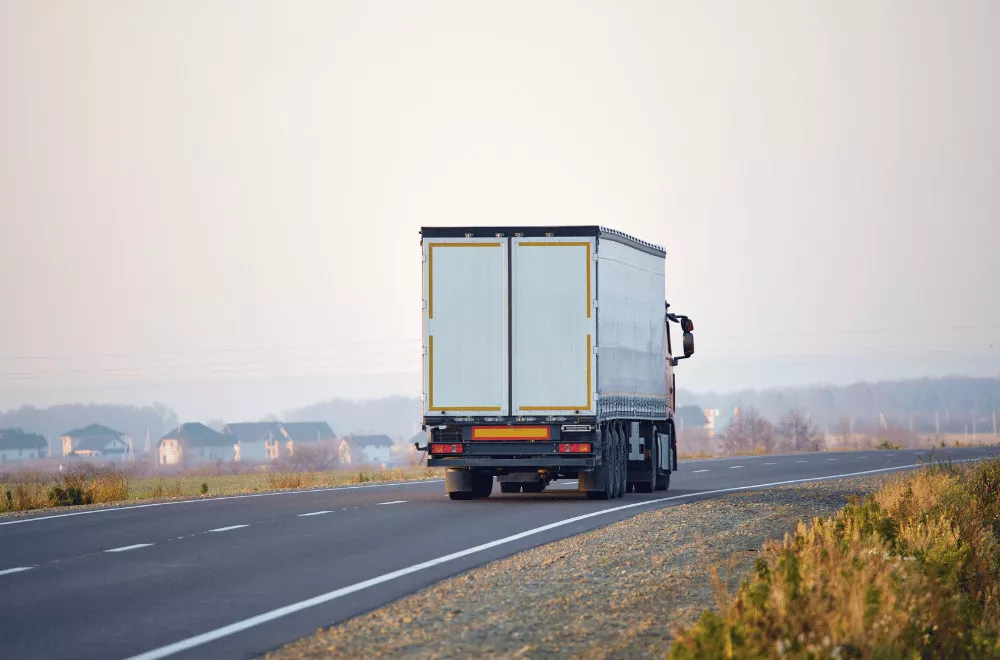
The local industry is under pressure from rising costs and cheap imports from India and China. That part of the story is not theoretical. South Africa’s auto sector is the country’s biggest manufacturing segment, and it contributes to output on a scale that rivals mining. It also depends heavily on exports, with around two-thirds of vehicle production leaving the country.
When trade conditions tighten, those exports do not always travel as smoothly as the spreadsheets promised. Local brands and plants feel the squeeze first. Toyota and Volkswagen have already pushed for urgent policy support, and unions and investors have backed the call. They know the old formula is getting harder to defend.
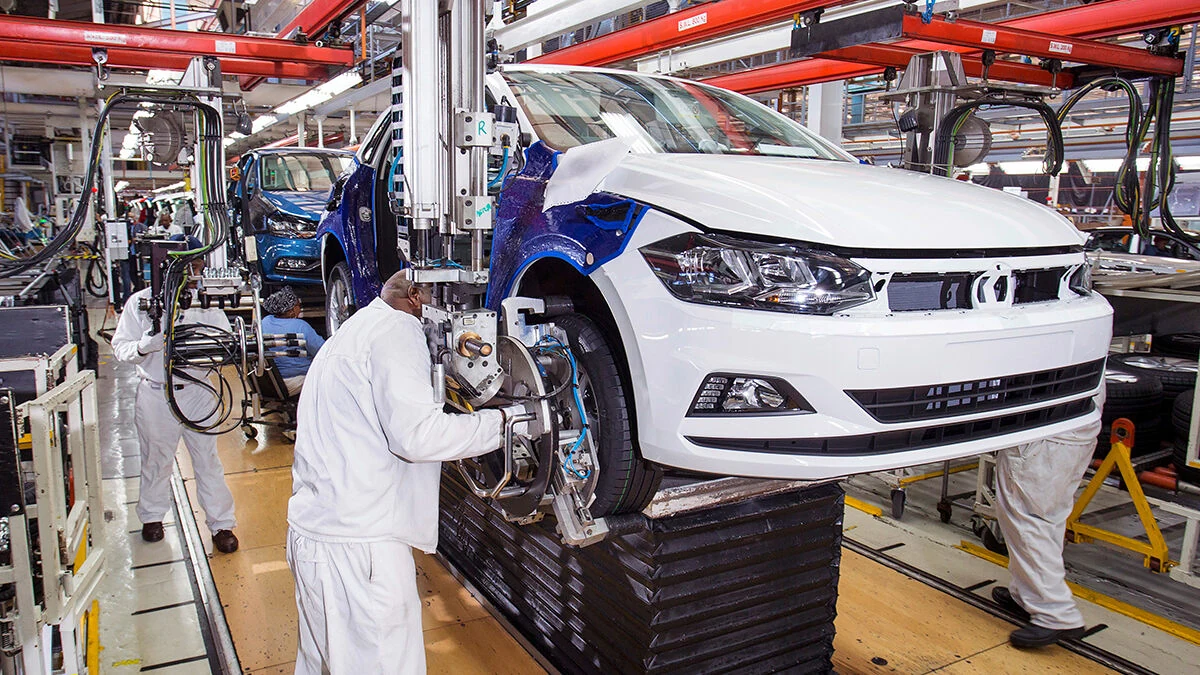
The draft amendments give those manufacturers a route to stay relevant without pretending the world has not changed. A plant that can assemble hybrids, battery-electric vehicles or fuel-cell models has a better chance of surviving the next decade than one waiting for petrol-only demand to bail it out.
What drivers could notice
More choice in the showroom
If local battery production grows, South Africans should see more EV and hybrid models offered with local support behind them. That means better odds of parts availability, clearer service networks and fewer excuses from dealers about why a model exists overseas but not here.
Less pain at the till
Imported batteries are expensive to move, insure and tax. A stronger local supply chain could ease some of that pressure and help bring down prices over time. Nobody should pretend an EV will suddenly become cheap, but the gap between electric and petrol cars could narrow if more of the value chain sits inside the country.
Better road-trip practicality
The long-haul question is the one South Africans always ask, and rightly so. A car that works in Sandton traffic but folds on the N1 to Beaufort West is no use to anyone planning a real trip. More local investment in EVs should push charging infrastructure, after-sales support and battery servicing in the same direction. That is what turns an urban experiment into a vehicle you can trust for a weekend in the Drakensberg or a run down the Garden Route.
The catch nobody should ignore
Policy can open the door, but factories do not build themselves on press releases. The country still has to move quickly enough to hold investment, train people, and make sure the rules do not shift every time the political weather changes. If the draft becomes law and is implemented cleanly, South Africa stops being just a place that ships vehicles out. It starts becoming a place that helps define what the next generation of those vehicles is made from.
For motorists, that means the cars on offer in a few years could look a lot different from the line-up sitting in showrooms now. The badge may still be familiar. The powertrain, and the supply chain behind it, may not be.